We’re honored to have brilliant, dedicated Black leaders working to end homelessness in Built for Zero communities around the country. In this series, we’re recognizing some of the Black leaders in the movement to end homelessness.
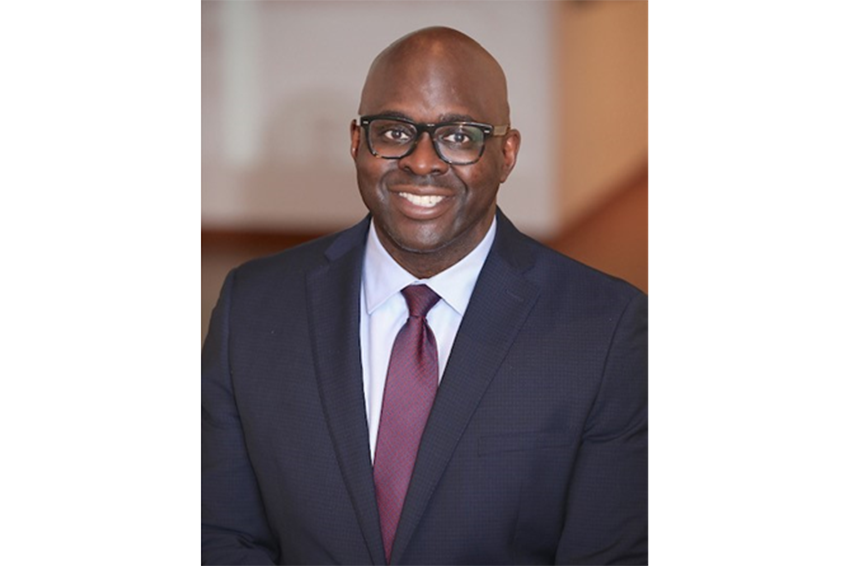
Anthony Trotman is the Deputy County Manager and the Consolidated Human Services Agency Director for Mecklenburg County Government in North Carolina. In this role, he manages all health and human services functions within the county, including four county departments — Community Resources, Social Services, Community Support Services, and Public Health. The departments he works with have approximately 3,000 employees with an annual budget of $350 million.
Charlotte and Mecklenburg County, North Carolina, joined Built for Zero in 2015 and has continued to work to reduce veteran homelessness in their community since then. They’ve also made a conscious effort to work on addressing disparities within their homeless response system as they work toward ending homelessness.
Can you tell us more about your work?
Our team provides social work and case management for housing with supportive services programs. They also do research in the area of housing and homelessness. We produce a report on an annual basis called “The State of Housing Instability and Homelessness.”
Last year, Mecklenburg County worked with our community partners to develop a housing and homeless strategy we call “A Home for All.” In that strategy, we looked at the full continuum of services, and we have developed action steps for each of those services. Our local United Way has been selected to lead the implementation of this plan.
How did Covid-19 impact your work within Mecklenburg County Government?
Throughout Covid, we’ve worked closely with our homeless service providers to ensure that they had resources to properly social distance individuals, to offer testing, and to make sure that their staff and clients were safe. We leased several hotels for individuals experiencing homelessness. Specifically, we leased a hotel for individuals 60+ that had multiple health conditions. We wanted to make sure that they were a priority in our community, so we identified housing for them. We also leased another hotel that provided social distancing for our men’s shelter, as well as our women’s shelter, and finally our domestic violence shelter.
How is your organization addressing fair access within the homeless response system?
I think fair access is a top priority for Mecklenburg County for everything that we do. Our CoC has also partnered with a national consulting group to complete a fair access assessment of our system-wide outcomes. Once the assessment is complete, a fair access action plan will be created based on those volumes. So I’m looking forward to seeing the outcome of that study. It is really important and all of our partners are supportive of it and at the table.
How is fair access and advocacy important to solving homelessness?
I want to offer appreciation for highlighting African American leaders throughout the country that are part of the Built for Zero strategy. It’s important that as leaders come to the table, they use their experience and their voice to support the larger, broader community, but specifically those folks who have historically received unequal treatment. And so I’m very proud, I’m fortunate, and often humbled to be that person at the table that can make a difference in our community. So, thank you.