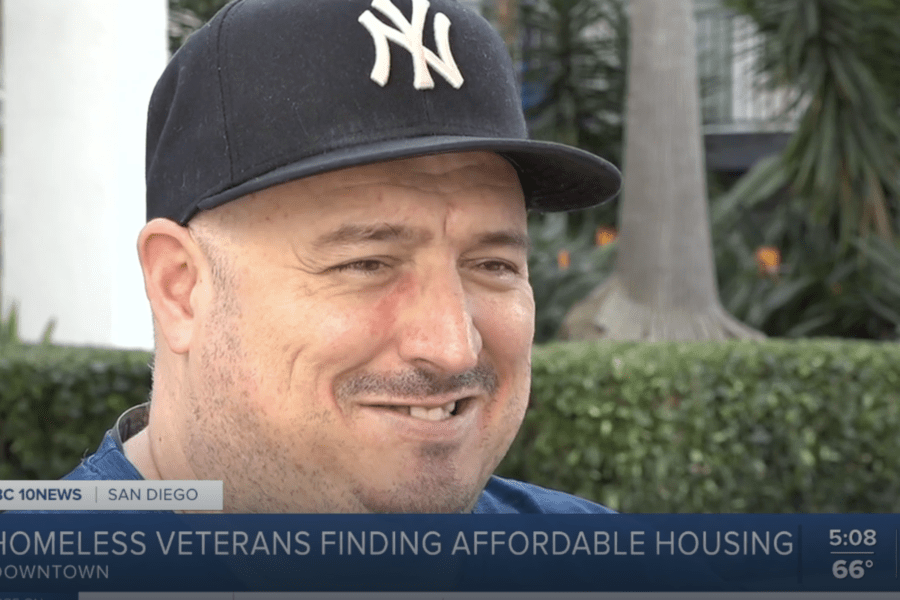
Antonio Roberti has traveled farther than most people in search of a new chapter.
A U.S. Army veteran who grew up in San Diego, Roberti spent much of his life drawn to the wider world. That curiosity led him overseas in early 2020, when a relative invited him to China with the promise of a business opportunity and the possibility of financial success.
Soon after he arrived, the COVID-19 pandemic swept across the globe. Borders closed. Businesses shut down. Travel ground to a halt. Roberti suddenly found himself stranded abroad.
“It just happened so fast,” he said.
For the next several years, Roberti moved from country to country, adapting however he could. He completed a TEFL course in Turkey and taught math and science in Thailand from 2021 to 2022.
During that time, he also married a woman from Uganda and continued to think about his long-term future. Roberti had studied business as an undergraduate and once hoped to pursue a master’s degree in supply chain logistics.
But as the pandemic dragged on, opportunities became scarce, and his financial resources dwindled. Eventually, Roberti returned home to San Diego in January 2023.
What awaited him there was far different from what he had imagined.
When everything fell apart
Back in the city where he had family, Roberti struggled to regain stability. He was managing bipolar disorder and navigating substance use challenges that began to spiral out of control.
Despite having roots in San Diego, he eventually lost stable housing. For nearly two years, Roberti lived on the streets.
“Sleeping on cold concrete is rough,” he said quietly. “It definitely gives you a new view of the world.”
Yet the physical hardship was only part of the struggle. What stayed with him most was the stigma that often comes with homelessness.
“The hardest thing is how people look down on you,” he said. “That stigma sticks with you. Even after you’re housed.”
Roberti knew he needed to turn his life around. As a veteran, he decided to seek help through the Veterans Affairs Supportive Housing program, known as VASH.
Finding the way back
Through VASH, Roberti was connected with housing opportunities and support services designed specifically for veterans experiencing homelessness.
“You get connected with VASH, and they start sending you places where you can live,” he explained. “If you like one of them, you go through the paperwork and move forward.”
The process can involve several caseworkers and a lot of documentation, but Roberti says he is deeply grateful for the program.
With support from VA counselors and housing navigators, Roberti was eventually placed in a permanent apartment at Market Street Village in downtown San Diego.
The apartment community, owned by Community Solutions and supported through investments from UnitedHealth Group, provides affordable housing for veterans who were previously living on the streets.
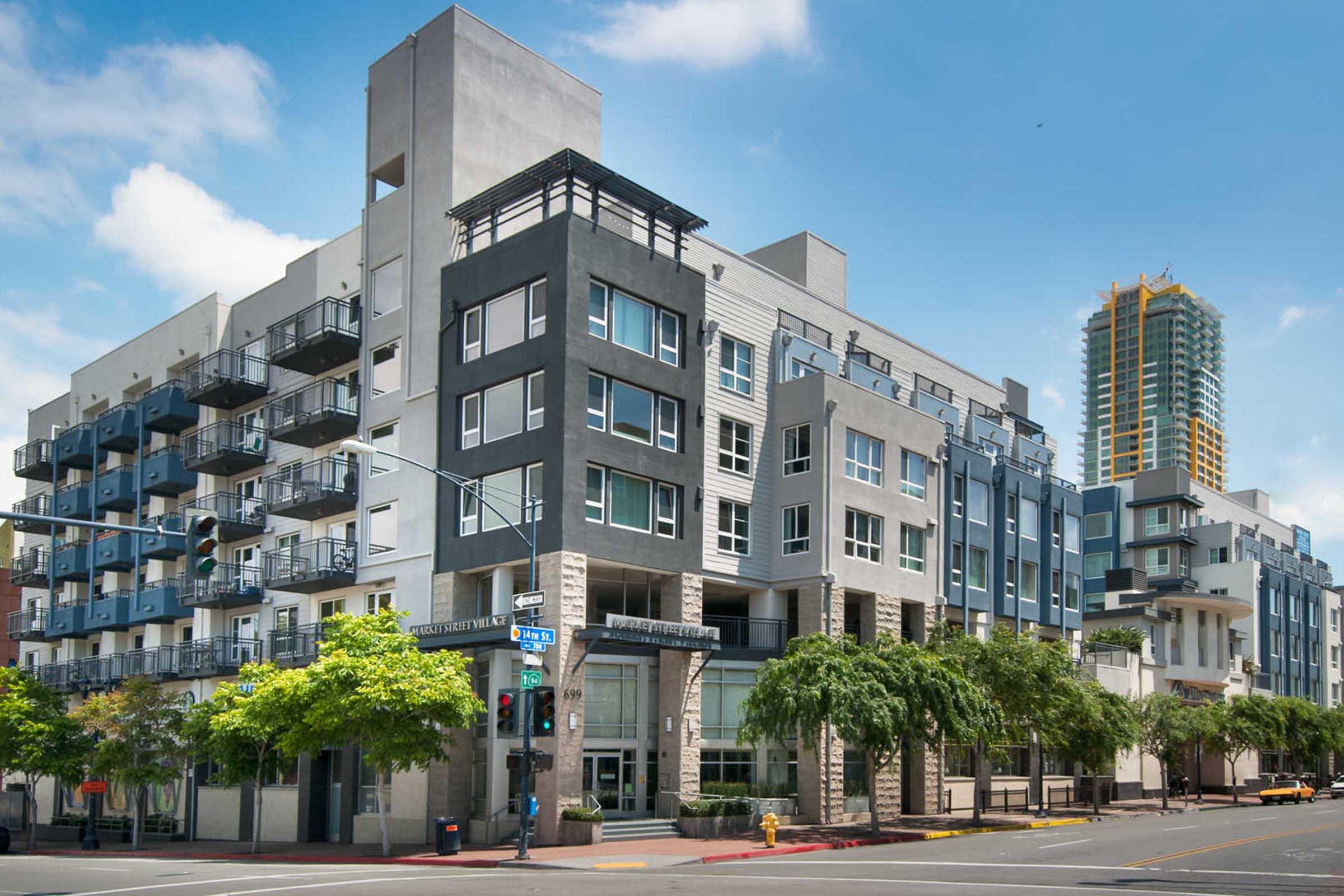
Roberti moved in last December. For the first time in years, he had a door that locked. A kitchen. A shower. A place that was his.
A city gaining ground
Roberti’s story reflects a broader shift happening across San Diego. According to publicly reported data from the Regional Task Force on Homelessness, housing placements began to outpace new entries into homelessness by midyear 2025. In December, the community housed 1,083 people while 1,007 experienced homelessness for the first time, part of a late-year pattern suggesting improving system flow. Veteran homelessness in particular declined from 700 in January to 642 by December.
That momentum is visible in the city’s growing housing pipeline. San Diego’s Bridge to Home program now has more than 2,600 affordable apartment homes in development across 27 projects, including 444 permanent supportive housing units for individuals exiting homelessness. Market Street Village, where Roberti now lives, was acquired through Community Solutions’ Large Cities Housing Fund and received the Urban Land Institute’s Jack Kemp Award for Excellence in Affordable and Workforce Housing.
The joy of small things
After experiencing homelessness, everyday household items take on a new meaning.
“You get very happy for the little things in life,” Roberti said. “A trashcan, broom, plunger. The basic things you need when you live in your own place.”
When he received his first plunger after moving in, he remembers thinking how strange and meaningful the moment felt.
“You get very happy for the little things in life.”
— Antonio Roberti
“You feel like you’re living again,” he said.
Today, stable housing has given Roberti something that had been missing for years: a foundation. With a safe place to live, he can focus on managing his health, navigating disability benefits, and searching for employment.
He is currently living on general relief while waiting for disability benefits to be finalized. Finding work has been difficult in a challenging job market, but Roberti remains hopeful about what comes next.
Looking forward
Roberti still carries the same curiosity about the world that led him abroad years ago. Once he is back on his feet financially, he hopes to travel again.
“I’ve got the travel bug,” he said with a smile.
Africa is high on the list, as are the historic countries along the Silk Road, including Kazakhstan and Uzbekistan. He dreams of exploring different cultures and cuisines again.
For now, though, the focus is simpler. Rebuilding.
“It’s hard sometimes,” Roberti said. “I feel like I’m not progressing as much as I should. But having a place to live changes everything.”