The country has already cut veteran homelessness in half.
The coordinated approach that got us here can finish the job.
Why Veterans, and Why Now
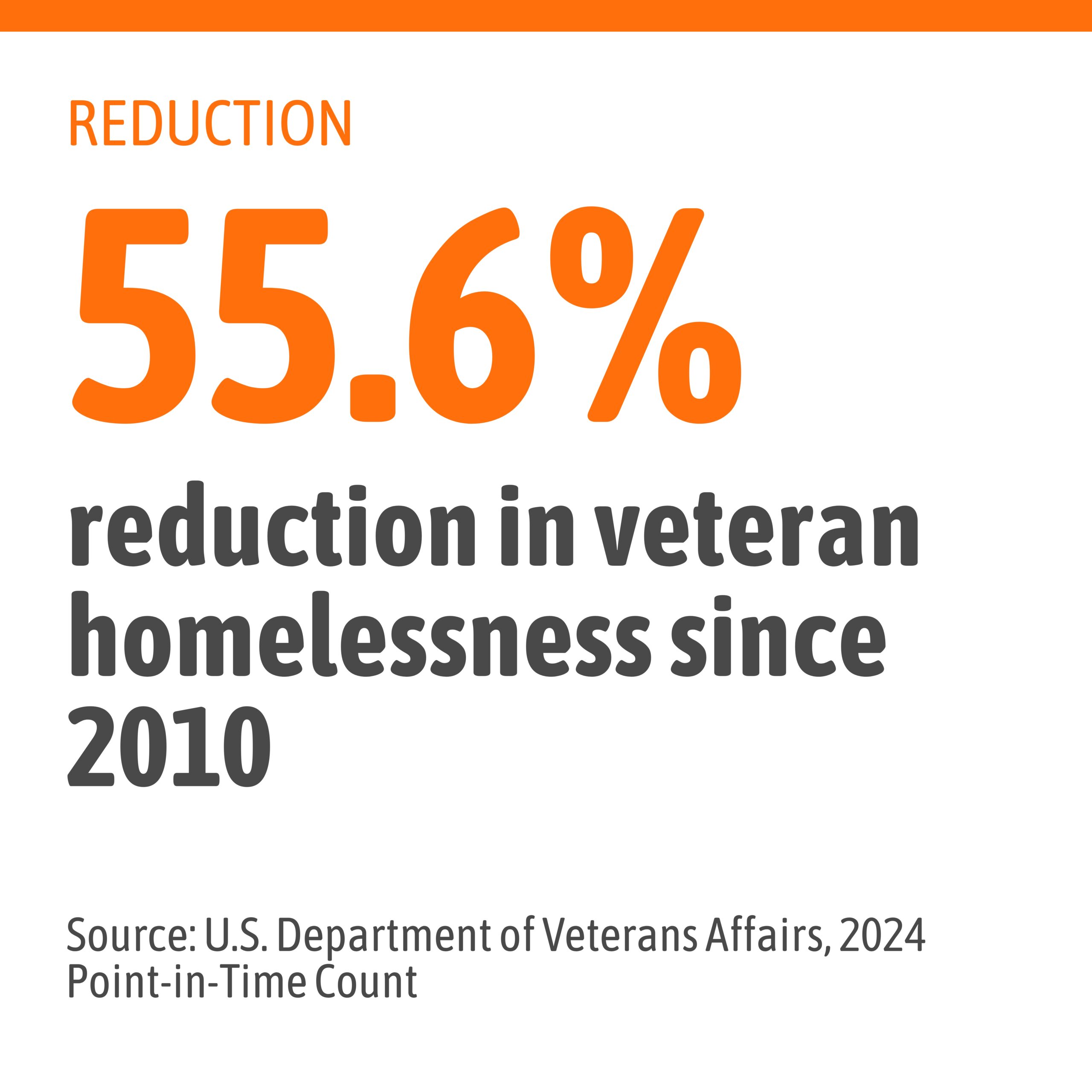
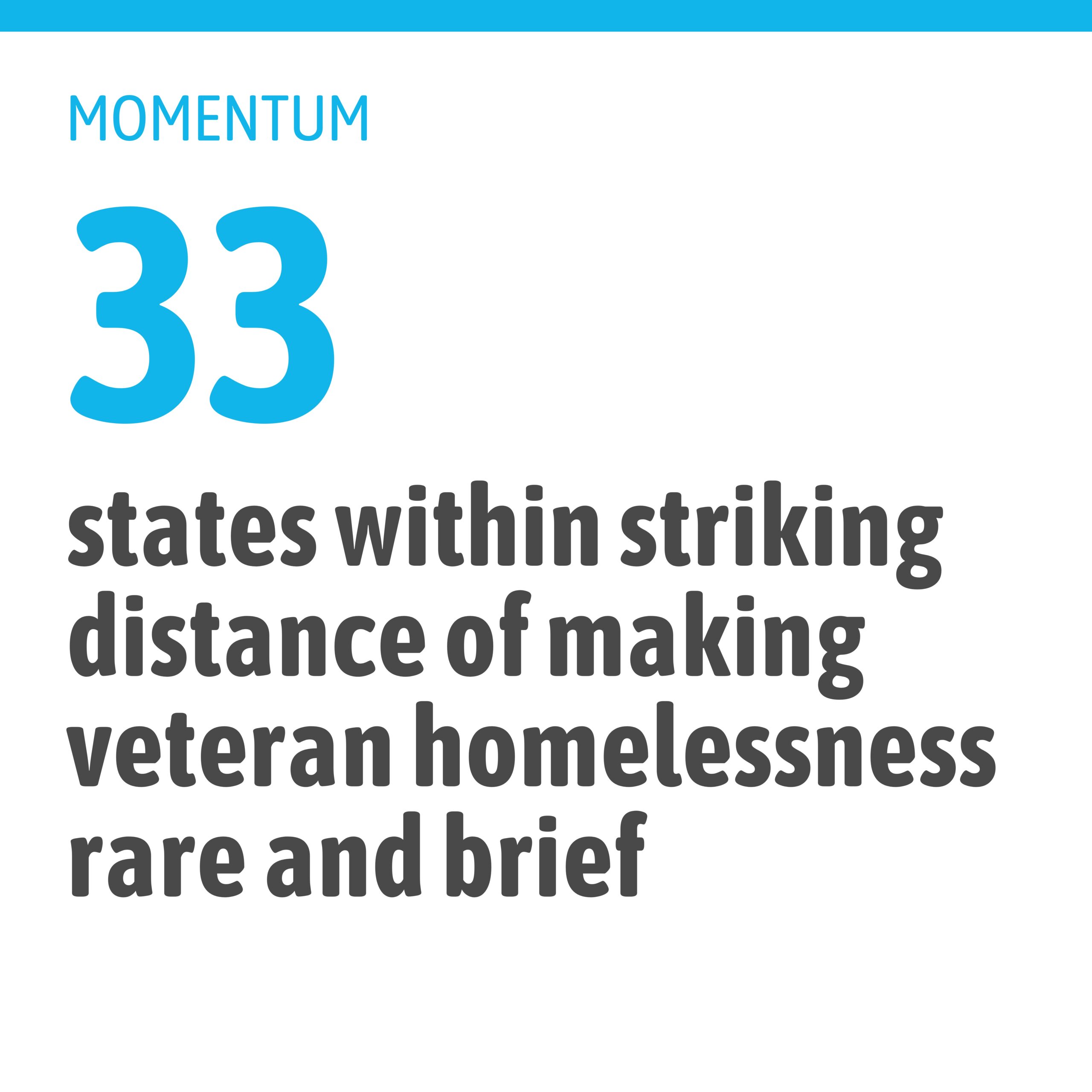
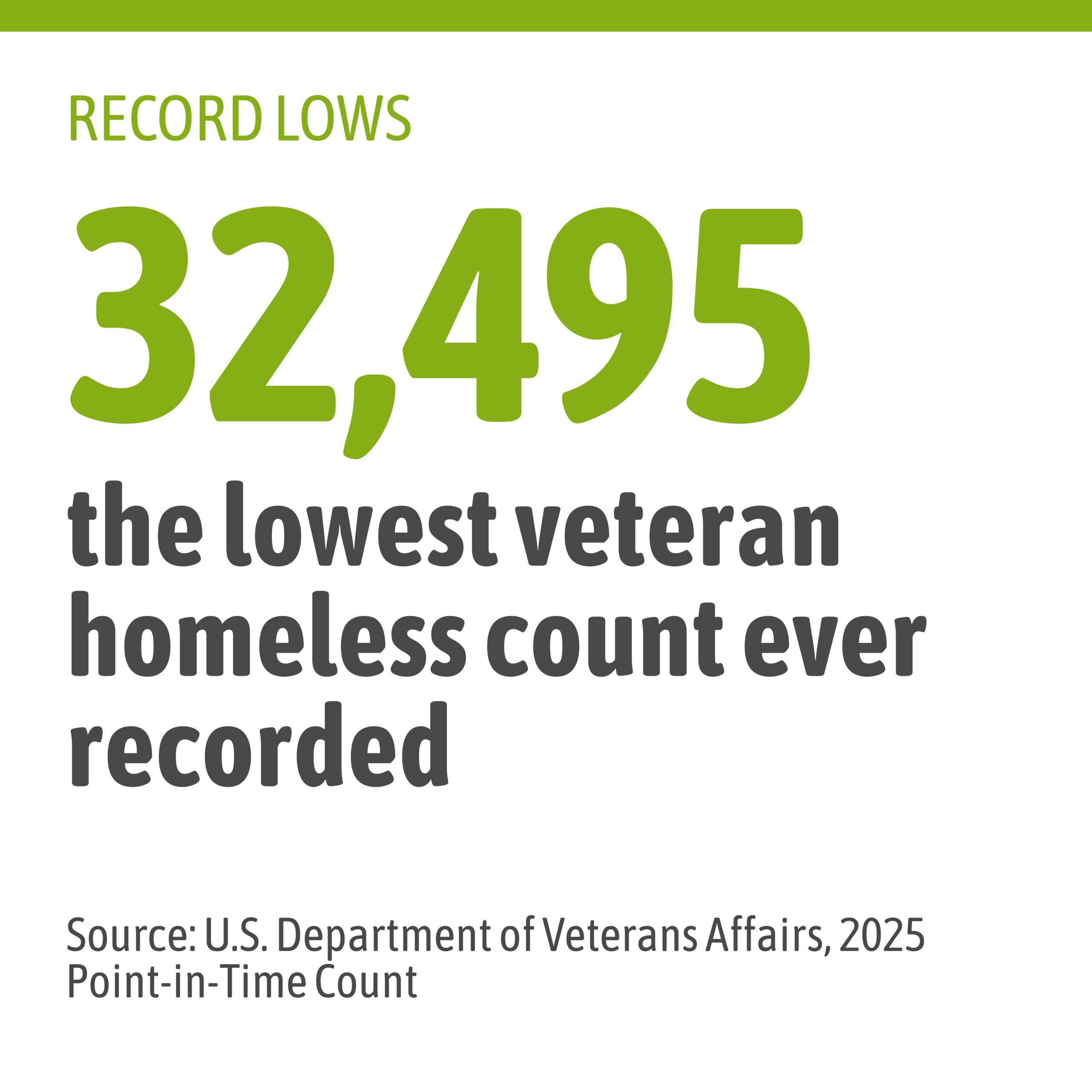
Since 2010, communities across the country have worked with focus and urgency to drive a 56% reduction in veteran homelessness. The number of veterans experiencing homelessness has dropped from more than 74,000 to 32,495, the lowest count ever recorded. In 2025, the VA reported moving more than 50,000 veterans into homes of their own. Built for Zero communities moved 8,000 veterans into housing. Veterans are the only major population with a sustained, multi-year decline in homelessness and stand as proof — if we can do it for veterans, we can do it for everyone.
The Mission in Progress
How the Approach Works
Progress on veteran homelessness came from communities changing how they operate. They run a coordinated, outcomes-driven approach grounded in four practices.
Run a command-center approach
VA partners, outreach teams, housing providers, landlords, and local governments work from one shared, live picture of who needs help and what housing is available. They meet regularly, review real-time information, and course-correct quickly when someone is stuck.
Secure housing options that fit different needs
Veterans cannot move off the street if there is nowhere real for them to go. Communities need a range of options: emergency housing, flexible rent help, move-in costs, security deposits, apartments, and supportive housing.
Know every veteran by name and need
Trusted outreach teams canvass streets, build relationships, and learn each veteran’s name, circumstances, and specific barriers. Documents, health care, income, transportation, a landlord willing to accept a voucher.
Support veterans after they move inside
Moving into housing is not always the finish line. Some veterans need health care, mental health care, addiction treatment, employment help, or tenancy support to stay housed.
Proof of the Progress We Can Make

Denver, Colorado
The largest American city to end the cycle of street homelessness among veterans
“Now we can say Denver is a place where no one who has served our country is ever going to have to sleep on the streets.”
— Mayor Mike Johnston, Denver
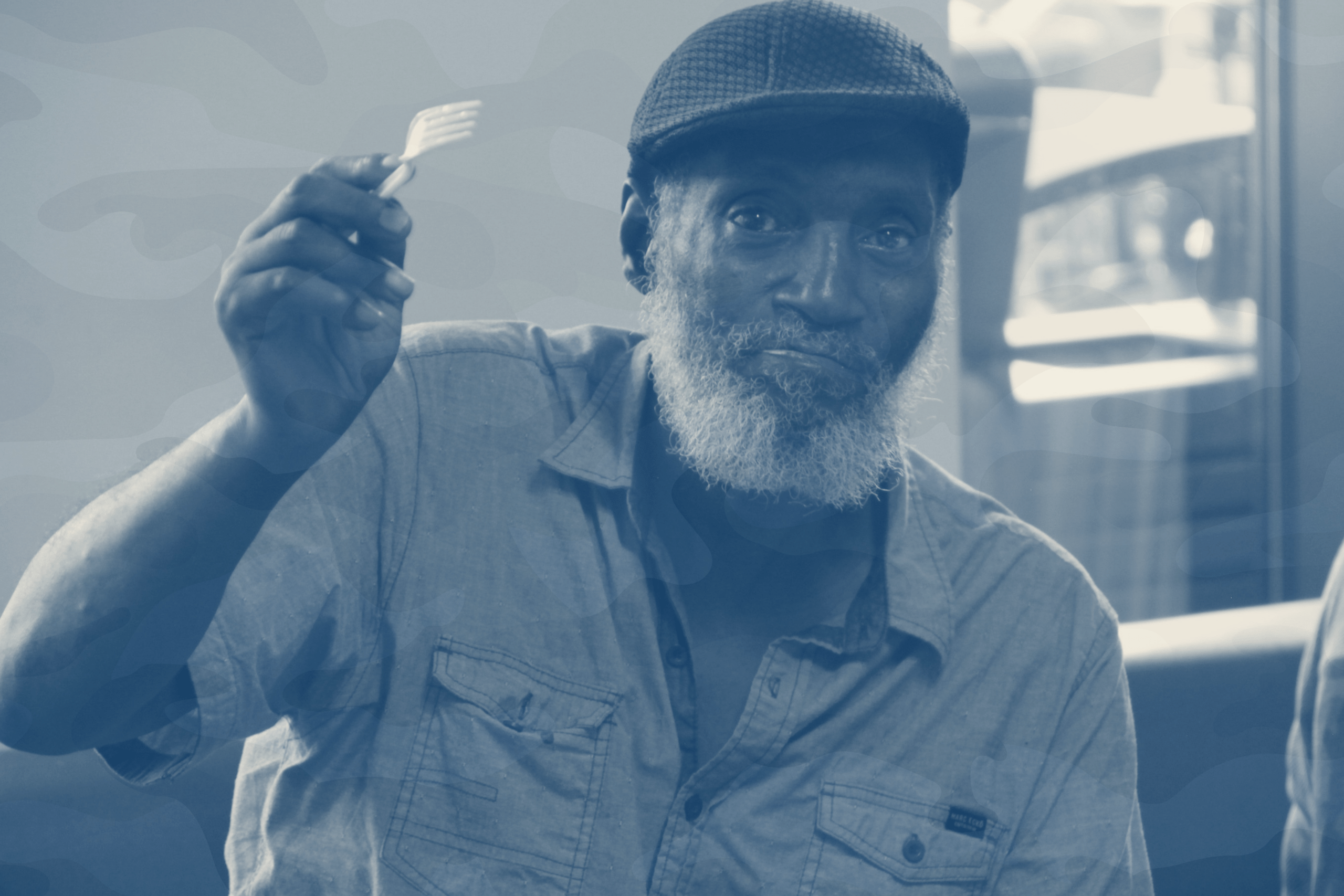
Washington, D.C.
124 veterans and low-income residents now call the John and Jill Ker Conway Residence home
“This is the best thing that ever happened to me in a long long time. I’m just content, you know?”
— Ray, U.S. Marine Corps veteran, Washington, D.C.
See more stories of progress
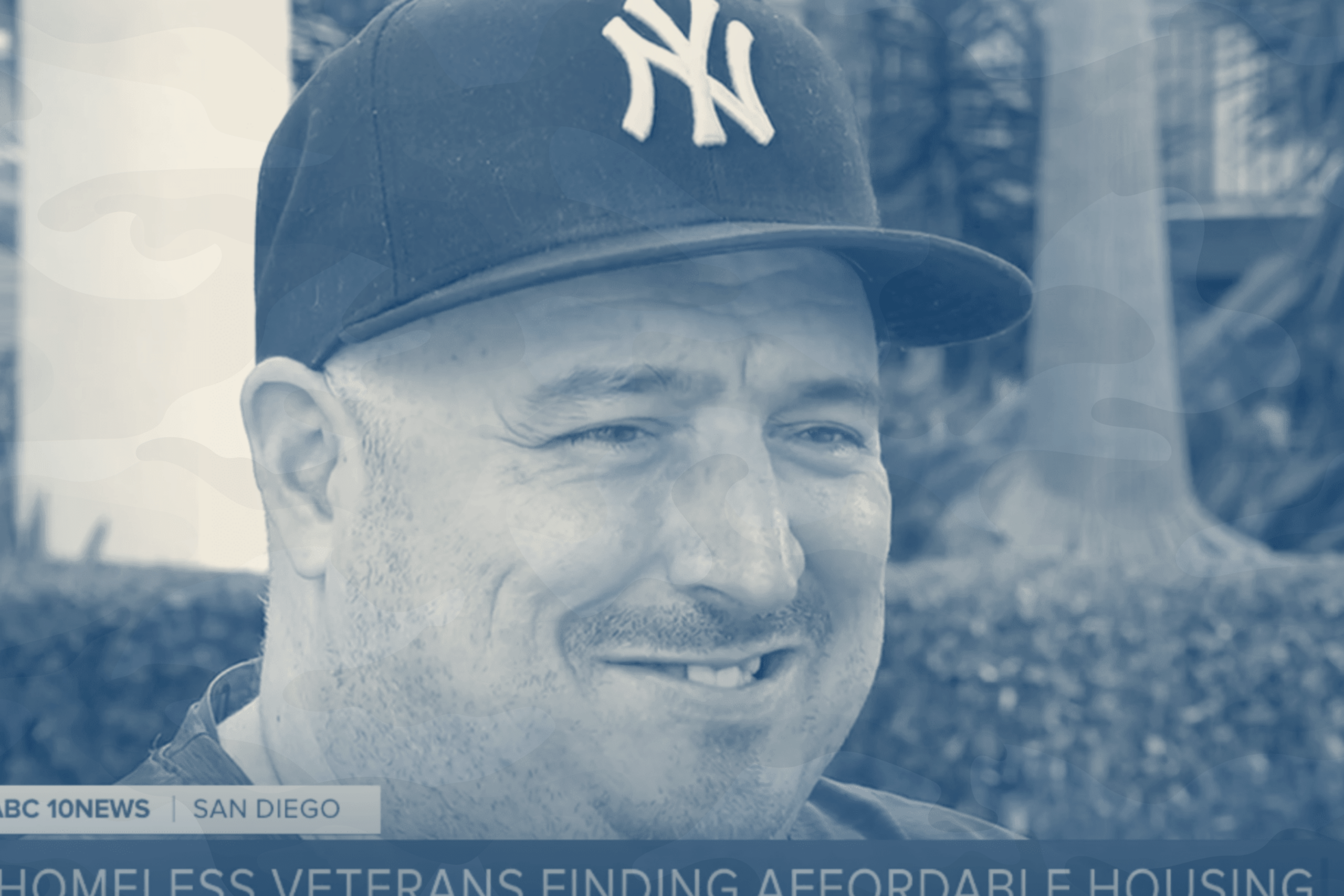
San Diego, California
Veteran homelessness declined from 700 to 642 in 2025, as housing placements began to outpace new entries into homelessness
“Having a place to live changes everything.”
— Antonio Roberti, U.S. Army veteran, San Diego
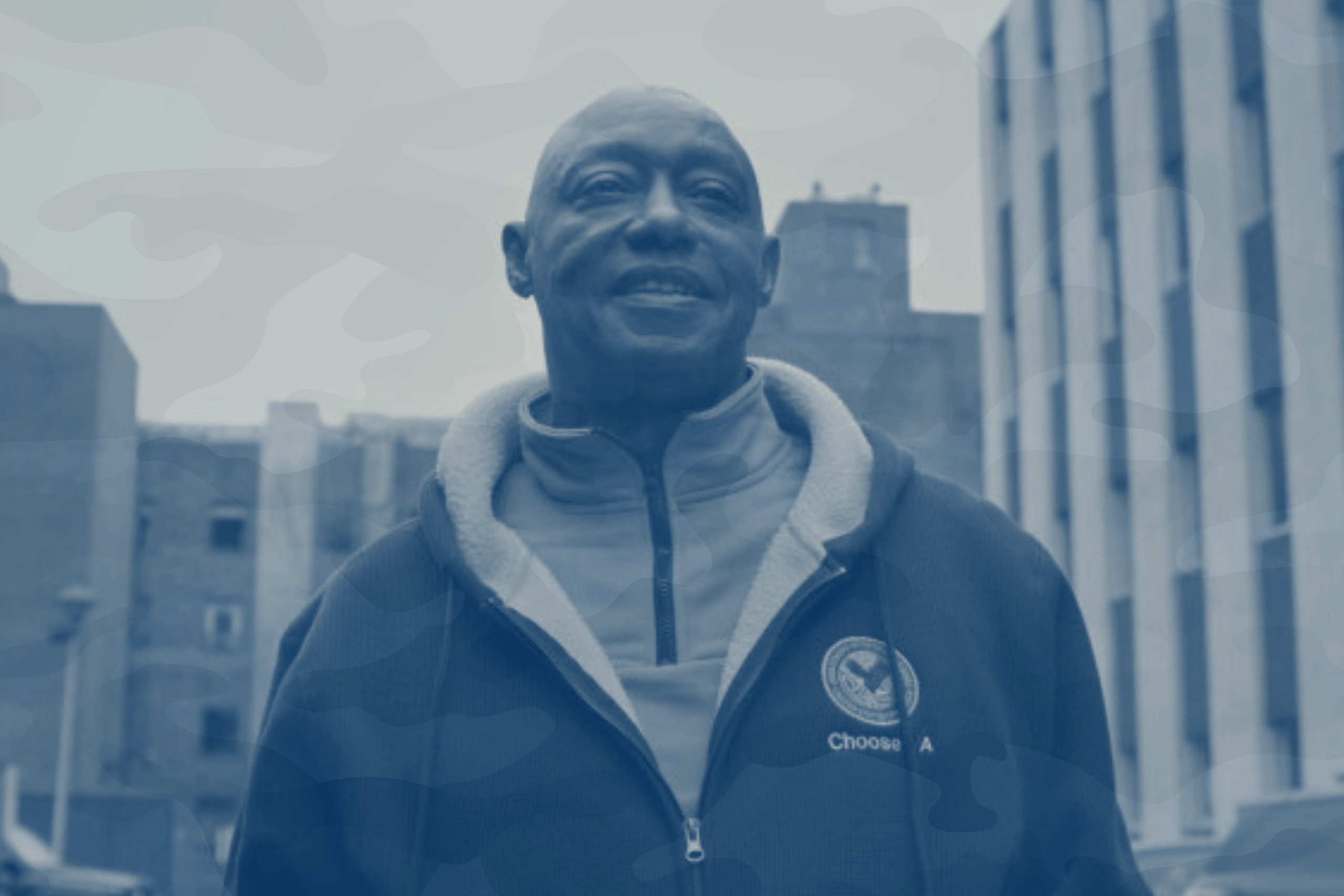
Detroit, Michigan
50% reduction in veteran homelessness since 2018, with 1,175 veterans housed
“When I get off work, I come straight home because I have somewhere I want to be.”
— Freddie Tucker, U.S. Army veteran, Detroit
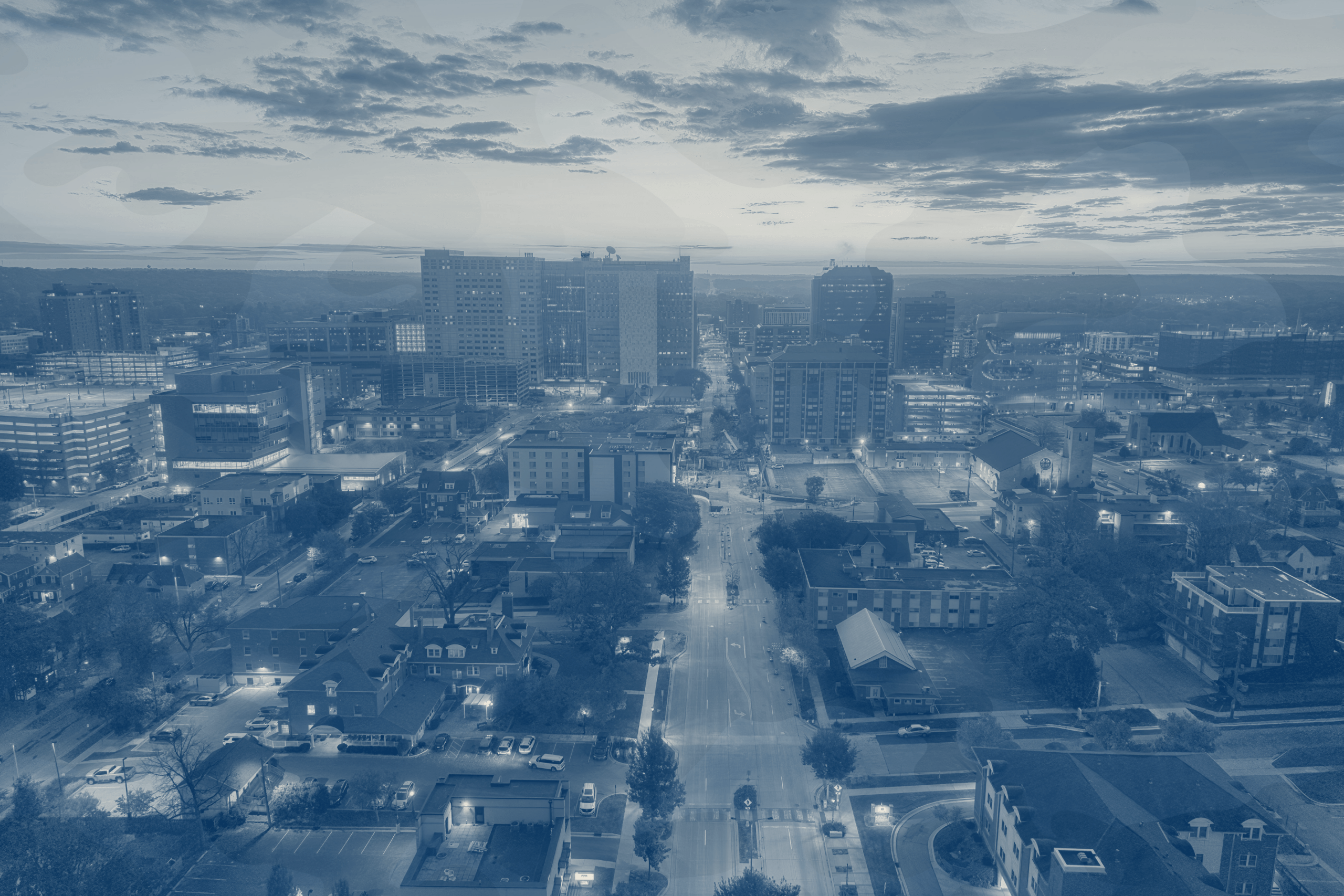
Minnesota
150 veterans experiencing homelessness statewide, the lowest number ever recorded, down 41% in two years
“This is an incredible partnership between state, federal, and local governments with nonprofits, community groups, and veteran service organizations.”
— Paul Williams, Deputy Director of Veterans Programs, Minnesota Department of Veterans Affairs

New Jersey
More than 1,450 permanent housing placements for veterans since the Bringing Veterans Home program launched, with a goal of reaching all known homeless veterans in 2026
“This is the year we effectively end veteran homelessness in New Jersey.”
— Gov. Mikie Sherrill, U.S. Navy veteran
Sign Up to Stay Informed of the Mission
Beyond Veterans
Completing the Mission starts with veterans because the country has already made real progress here, and the tools to finish the job are in place. The work also points to what is possible everywhere.
The coordinated approach that cut veteran homelessness in half is the same approach that successful communities are applying to reduce homelessness for families, older adults, young people, and people living outside. Communities need to know who is experiencing homelessness, have enough housing options, run outreach teams that earn trust, and hold leaders accountable for measurable reductions. Those conditions are not unique to veterans.
Veteran homelessness is becoming one of the country’s clearest examples that homelessness is a systems problem. When the system works, the numbers come down. Communities that learn to do this for veterans are building the capacity to do it for everyone.